Table Of Content

The chances of returning home increase dramatically when pets are microchipped and registered in the appropriate database. Poor genetics, immune-compromised cats, and cats that have compromised organ functions might not live as long as healthy cats. Taurine, methionine, and cystine are some of these essential amino acids, and without them, important vitamins, and the proper amount of protein, a cat’s health may suffer greatly. Adult cats cannot digest large amounts of carbohydrates or lactose, so these are unnecessary ingredients in their food. Carbohydrates can even decrease how much protein is digested, so they are, in fact, harmful to a cat.
Cat Life Expectancy by Health Condition
American Ringtail Cat Breed Info: Traits, Personality & Pictures - Catster
American Ringtail Cat Breed Info: Traits, Personality & Pictures.
Posted: Fri, 29 Mar 2024 20:07:58 GMT [source]
Cats may look lazy, but that doesn’t mean they can do without physical and mental stimulation. Regular exercise isn’t just essential for keeping pets healthy, it’s crucial for their happiness too! Keeping pets engaged with toys and opportunities to explore can keep them from growing bored and listless while promoting mental sharpness into their geriatric period.
Regular veterinary care and its role in increasing lifespan of a housecat
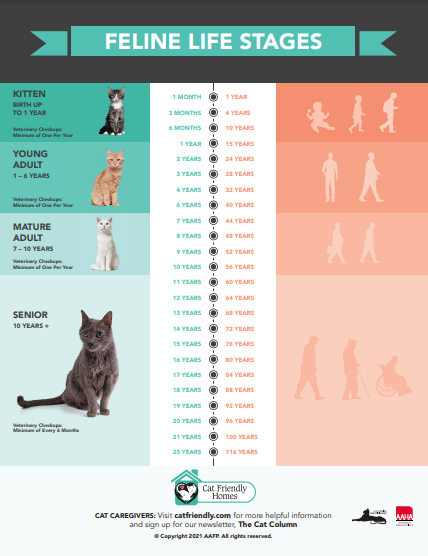
During this stage, your cat should visit the vet at least once per year to stay up to date on vaccines and receive routine health checks. So, what are the things to consider when you think of a cat’s lifespan? While we all wish there was a magic elixir to make our cats live forever, there’s no way to cheat death and some illnesses are unavoidable. But there are quite a few things pet parents can do to help their cat live longer. It’s commonly recommended for cats 10 and older to have bloodwork and urine testing done every six months, as organ health can change quickly.
Behavioral changes
Cats age fastest during their earliest life stages, and aging slows as they grow older, according to Rutherford. So you can’t equate each year of a cat’s life to a set number of human years. While they may still be energetic and active, they may begin to develop old-age ailments and have more difficulty maintaining a healthy weight.
Great Ways to Show Your Pet Appreciation
Even though most felines have admirable life expectancies, it’s still sad that our furry friends can’t stick around longer. By understanding the facts about cat ownership laws and regulations, you can be a responsible pet parent and ensure that you’re complying with legal guidelines for cat ownership. To determine the maximum number of cats you can legally own, it’s best to check with your local animal control agency or municipal government.
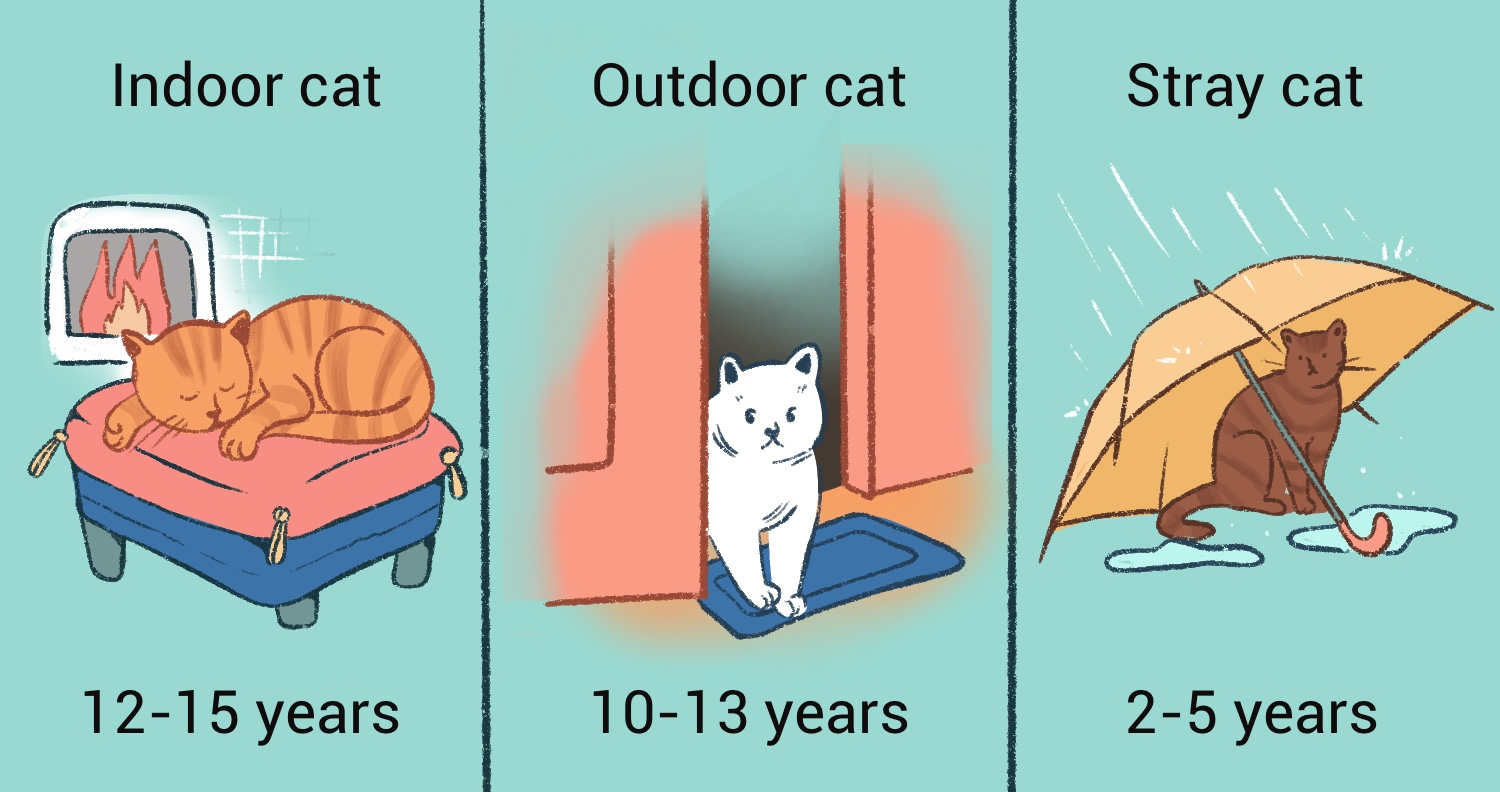
Outdoor cats tend to live far shorter lives than their more domesticated counterparts. The University of California, Davis’ Clinical Animal Behavior Service reports that the average life expectancy of an outdoor cat is just two to five years. Keeping your cat’s vaccinations up to date will also help protect them from diseases that could shorten their lives. After initial vaccination as a kitten, indoor cats should receive core vaccines every 1 to 3 years.
What's the longest a cat can live for? Here are the world's oldest felines - BBC Science Focus Magazine
What's the longest a cat can live for? Here are the world's oldest felines.
Posted: Thu, 16 Mar 2023 07:00:00 GMT [source]
Ask The Vet: Indoor vs Outdoor Cats
These four regions have produced cats that have different genetic markers based on what region, or race, they are from. Lack of proper nutrition and being overfed can both lead to health problems. But feeding your cat a healthy diet that’s appropriate to its life stage, and being careful not to overfeed,, can go a long way toward promoting good health and a longer life. Cats with sedentary lifestyles are more likely to have health issues that can lead to a shortened lifespan.
Aging in cats
Some feline fanciers have seen their pets live even longer, offering more than two decades of unconditional love. While it is impossible to know exactly how long a cat will live, some breeds of cats are known to often live longer than others. The Siamese and Manx cat breeds are two that often outlive their cat competition, but other breeds have been recorded as living into their 20s and even 30s. Both purebred and domestic mixed-breed cats have the potential to surpass the average lifespan of the species. Mixed-breed cats, also known as domestic shorthair cats, tend to live longer than purebred cats by a year or two, on average.
This young, playful life stage is incredibly important for setting your cat up for success. Though most kittens learn bathroom and feeding habits without much help, it’s also important to socialize kittens and engage in appropriate play to set them up for behavioral success. Some lucky felines have been known to live 20 years or more—the world record holder for oldest cat on record, adorably named Creme Puff, lived to be a whopping 38 years old.
By visiting the vet regularly, you can catch any potential health issues early on before they become more serious. If you detect any changes in your cat’s behavior or health, don’t hesitate to schedule a visit with your vet. Siamese cats, for example, have an average lifespan of years while Persian cats have an average lifespan of years. When choosing a furry friend, it’s essential to consider their breed and expected lifespan to ensure they are a good fit for your lifestyle. Just this one adjustment can increase your cat’s lifespan and help them live (on average) three times longer. Besides becoming less active, cats may experience other behavior changes as they near the end of their life.
This helps to ensure that cats are up-to-date on vaccinations, as well as provide a means of identification in case your cat is lost or stolen. While there is some sound reasoning around cat restrictions, there are some things these laws don’t take into consideration. Here is a table showing the average lifespan of house cats by breed. While it's not uncommon for cats to reach 15 years old, some cat breeds stand out as long-lived companions.
Updating your living space and adjusting to your cat’s new needs can help them throughout the aging process. They will begin to require further assistance from you, and adapting to their needs can improve the quality of their life. In the early years of their life, you should take your cat to the vet at least once a year. When your furry feline is a senior cat, take them to the vet at least twice yearly or every six months.
High-quality cat food that meets their nutritional needs is key, along with avoiding too many treats that can lead to weight gain and other health issues. Your cat’s health is of utmost importance, and regular vet check-ups can help detect and prevent any health issues before they become serious. Your vet can also provide personalized advice on nutrition, exercise, and behavior for your furry friend. Firstly, providing your cat with a balanced and nutritious diet is crucial. Feeding them high-quality food containing all necessary nutrients will help keep them healthy and strong. To ensure that you’re giving your cat the right food for their age, size, and health needs, it’s wise to consult with your vet.


No comments:
Post a Comment